


WordPress
WordPress
SEO. Analytics. Responsive, Minimalistic Designs. Style. Flexible & Scalable.
Your Life, Made Easy.
Website Development
Design and build WordPress websites from scratch or using templates. Customize themes and layouts to meet client specifications. Implement responsive design to ensure compatibility across devices.
Content Management
Create, edit, and publish posts and pages. Organize content using categories and tags. Manage media files, including images and videos.
User Management
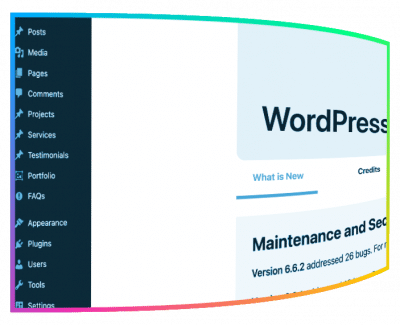
Set up and manage user roles and permissions to control access. Add and remove users as needed, ensuring proper access levels. Train users on how to use the WordPress dashboard effectively.
Plugin Management
Install, configure, and update plugins to enhance website functionality. Troubleshoot and resolve plugin conflicts or issues. Evaluate and recommend plugins based on client needs.
Site Maintenance
Regularly update WordPress core, themes, and plugins to ensure security and performance. Monitor website performance and optimize loading speeds. Backup website data regularly to prevent data loss.
SEO Optimization
Implement on-page SEO best practices to improve search engine rankings. Use SEO plugins to manage meta tags, sitemaps, and other SEO elements. Analyze website traffic and performance using tools like Google Analytics.
Security Management
Implement security measures to protect the website from threats. Monitor for suspicious activity and respond to security breaches. Configure SSL certificates and other security protocols.
E-commerce Management (if applicable)
Set up and manage e-commerce functionalities using plugins like WooCommerce. Manage product listings, inventory, and payment gateways. Ensure compliance with e-commerce regulations and best practices.
Client Communication
Liaise with clients to understand their needs and provide updates on project progress. Offer ongoing support and maintenance services post-launch. Provide training and documentation for clients to manage their websites independently.
Performance Monitoring
Regularly check website uptime and performance metrics. Use tools to analyze and improve website speed and user experience. Conduct regular audits to identify areas for improvement.