

Salesforce
Salesforce
Flows, Automation. Reports, Dashboards. Analytics, Data. Lead Generation.
All That Cool Stuff.
Business Needs Assessment
Analyze your business requirements to tailor Salesforce solutions that align with your unique operations by engaging with stakeholders and identifying workflows and challenges.
Customization of Solutions
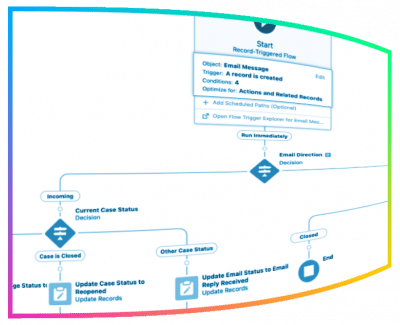
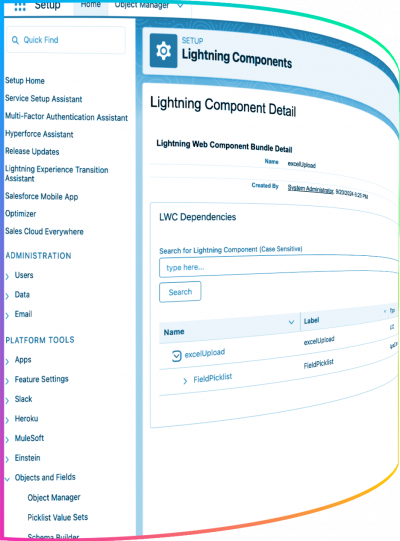
Configure and customize Salesforce features to match your organization’s specific processes, including setting up custom objects, fields, and automating workflows for enhanced productivity.
System Integration
Implement seamless integrations between Salesforce and other business systems to ensure smooth data flow, minimizing data silos and enabling a comprehensive view of operations.
User Training and Support
Provide comprehensive training and ongoing support to empower users in effectively leveraging Salesforce tools, including developing training materials and offering one-on-one assistance.
Report and Dashboard Development
Create insightful reports and dashboards tailored to your key performance indicators (KPIs) to facilitate data-driven decision-making and track performance trends.
Workflow Optimization
Streamline and optimize workflows to enhance sales efficiency and customer interactions by identifying bottlenecks and implementing automation solutions.
Data Management
Assist in data migration, management, and maintenance to ensure data integrity and accuracy, employing best practices for ongoing data quality.
Best Practices Implementation
Recommend and implement Salesforce best practices to maximize platform potential and ROI, including guidelines for data governance and user roles.
Troubleshooting and Issue Resolution
Quickly identify and resolve technical issues to minimize disruptions, providing timely solutions to ensure smooth Salesforce operations.
Implementation Planning
Develop a structured implementation plan for Salesforce that outlines key phases, timelines, and milestones. This ensures a smooth rollout and helps manage expectations across the organization, similar to the structured approach seen in ERP implementation plans.
Workflow Management
Utilize workflow management tools to streamline processes within Salesforce. By defining clear goals and allocating tasks effectively, the consultant can enhance team collaboration and efficiency, drawing on best practices from agile workflows.
Data Governance
Implement data governance strategies to manage data quality and compliance within Salesforce. This includes selecting appropriate data governance tools that help maintain data integrity and support organizational data management programs.
Software Integration
Facilitate the integration of Salesforce with other critical business applications, ensuring that data flows seamlessly between systems. This may involve using middleware or APIs to connect Salesforce with ERP systems or other software, similar to the integration strategies discussed in software implementation.
Performance Monitoring
Establish metrics and KPIs to monitor the performance of Salesforce implementations. Regularly analyze these metrics to identify areas for improvement and ensure that the system continues to meet business needs effectively.
User Adoption Strategies
Develop and implement strategies to enhance user adoption of Salesforce tools. This may include creating user-friendly documentation, conducting training sessions, and gathering feedback to refine the user experience.
Customization of Reports
Create customized reports and dashboards that provide insights tailored to specific business needs. This allows stakeholders to track performance metrics effectively and make informed decisions based on real-time data.
Ongoing System Evaluation
Conduct regular evaluations of the Salesforce system to identify opportunities for enhancements and updates. Staying informed about new features and updates ensures that the organization can leverage the latest capabilities of Salesforce to improve operations.